Trust, Voice and the Networked Public
Highlights
Papers with room to breathe
Twenty minutes to present, ten for questions, chaired by scholars in the same area. Every parallel room is capped so discussion stays possible.
Genuinely hybrid
Every room is streamed and every online presenter is presented in the room, with a moderator handling remote questions. Recordings stay open for ninety days.
Reviewed and published
Double-blind review by at least two committee members, open-access proceedings, and thirty papers invited to extend for partner journals.
Keynote speakers

Prof. Amara Nadeem
University of Leeds
The Repair of Public Trust
Nadeem studies how audiences decide what to believe, drawing on a six-country panel study of news trust running since 2019.
Read more about Prof. Amara Nadeem →
Prof. Hiroshi Tanaka
Waseda University
Algorithmic Publics and the Limits of Voice
Tanaka works on recommender systems as civic infrastructure, combining large-scale log analysis with interviews inside the teams that build them.
Read more about Prof. Hiroshi Tanaka →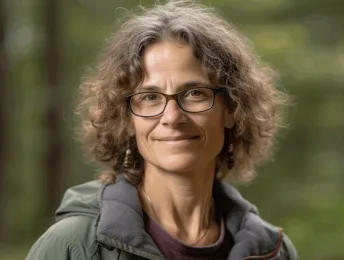
Dr Nomsa Dlamini
University of Cape Town
Communicating Risk After the Pandemic
Dlamini's field trials with community health workers tested what moves behaviour when official messaging has been discredited.
Read more about Dr Nomsa Dlamini →
Prof. Elena Márquez
Universitat Pompeu Fabra
Newsrooms with Machines
Márquez spent two years embedded in four European newsrooms adopting generative tools.
Read more about Prof. Elena Márquez →Tracks
Journalism, trust and misinformation
News production and newsroom change; audience trust and news avoidance; fact-checking and correction; the economics of local journalism; coordinated inauthentic behaviour and its measurement.
Read more about Journalism, trust and misinformation →Strategic communication and public relations
Corporate and government communication; reputation and legitimacy; influencer and creator economies; measurement practice; ethics of persuasion.
Read more about Strategic communication and public relations →Health, risk and science communication
Vaccine and treatment communication; risk perception and behaviour change; communicating uncertainty; community health media; climate discourse.
Read more about Health, risk and science communication →Platforms, algorithms and governance
Recommender systems and visibility; content moderation and platform policy; regulation across jurisdictions; data access for researchers.
Read more about Platforms, algorithms and governance →Media literacy and communication education
Curriculum and pedagogy; assessment of literacy interventions; teaching communication with and about AI; multilingual classrooms.
Read more about Media literacy and communication education →Intercultural and development communication
Communication for social change; migration and diaspora media; language and representation; participatory and community media.
Read more about Intercultural and development communication →Registration
Three rates, one of them online-only, and every one of them includes the proceedings.
News
Submissions are open across all eight tracks
The submission system is live, and the track chairs have published guidance notes on what each track is looking for this year.
Fourth keynote confirmed for the closing session
Prof. Elena Márquez joins the programme with work from two years embedded in European newsrooms adopting generative tools.
Thirty-five fee waivers open for application
Twenty-five for presenting authors from low- and lower-middle-income countries, ten for unfunded postgraduate researchers.